Skip to content ↓
Menu
What are you looking for?

Spotlight: Jun 5, 2026

Using technology invented at MIT, Cartesian helps retailers track products in real-time; its system could also find uses in manufacturing, logistics, and robotics. “The broad vision for what we are doing is spatial AI,” Fadel Adib says.
Research and Education that Matter

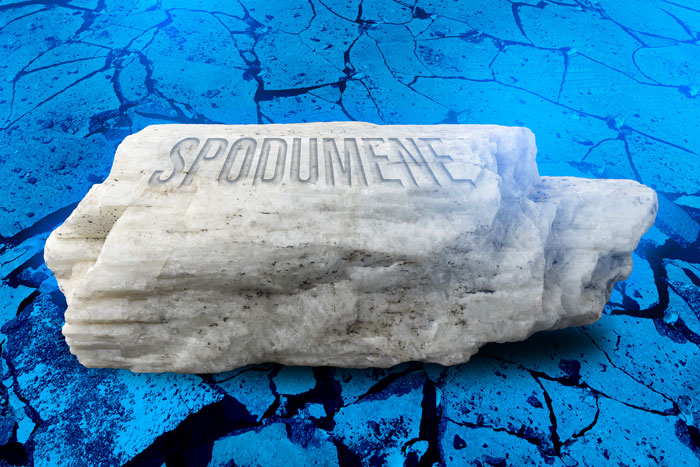
A new low-cost technique to extract lithium from rocks could help meet demand that has surged with the rise of lithium-ion batteries. The low-temperature process could unlock cleaner lithium from America’s abundant hard rock while minimizing waste.

Since World War II, new, innovation-based work in the U.S. has often been done by young, college-educated workers. It has also been driven by demand: “Wherever we make new investments, we end up getting new specializations,” David Autor says.

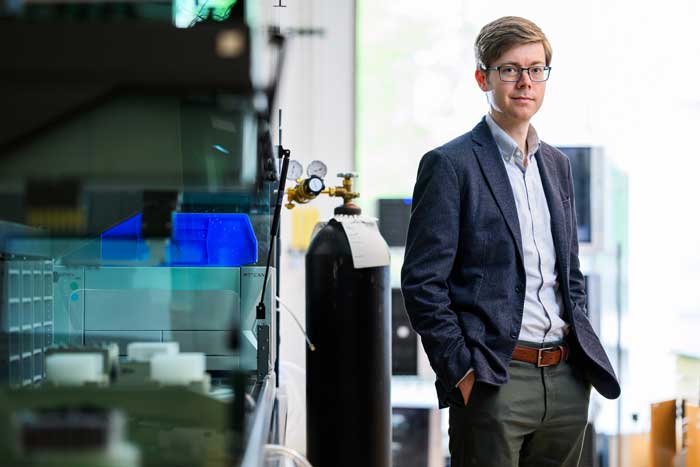
Connor Coley works at the interface of chemistry and machine learning, to discover and design new drug compounds. His lab develops models that are “grounded in an understanding of reaction mechanisms, the same way an expert chemist would be,” he says.

A new storytelling project titled Curiosity on a Mission champions the long-horizon science that powers American innovation. The MIT effort highlights how basic research sparks enormous advances in medicine, technology, national security, and economic growth.

In a world without MIT, radar wouldn’t have been available to help win World War II. We might not have email, CT scans, time-release drugs, photolithography, or GPS. And we’d lose over 30,000 companies, employing millions of people. Can you imagine?

​Since its founding, MIT has been key to helping American science and innovation lead the world. Discoveries that begin here generate jobs and power the economy — and what we create today builds a better tomorrow for all of us.